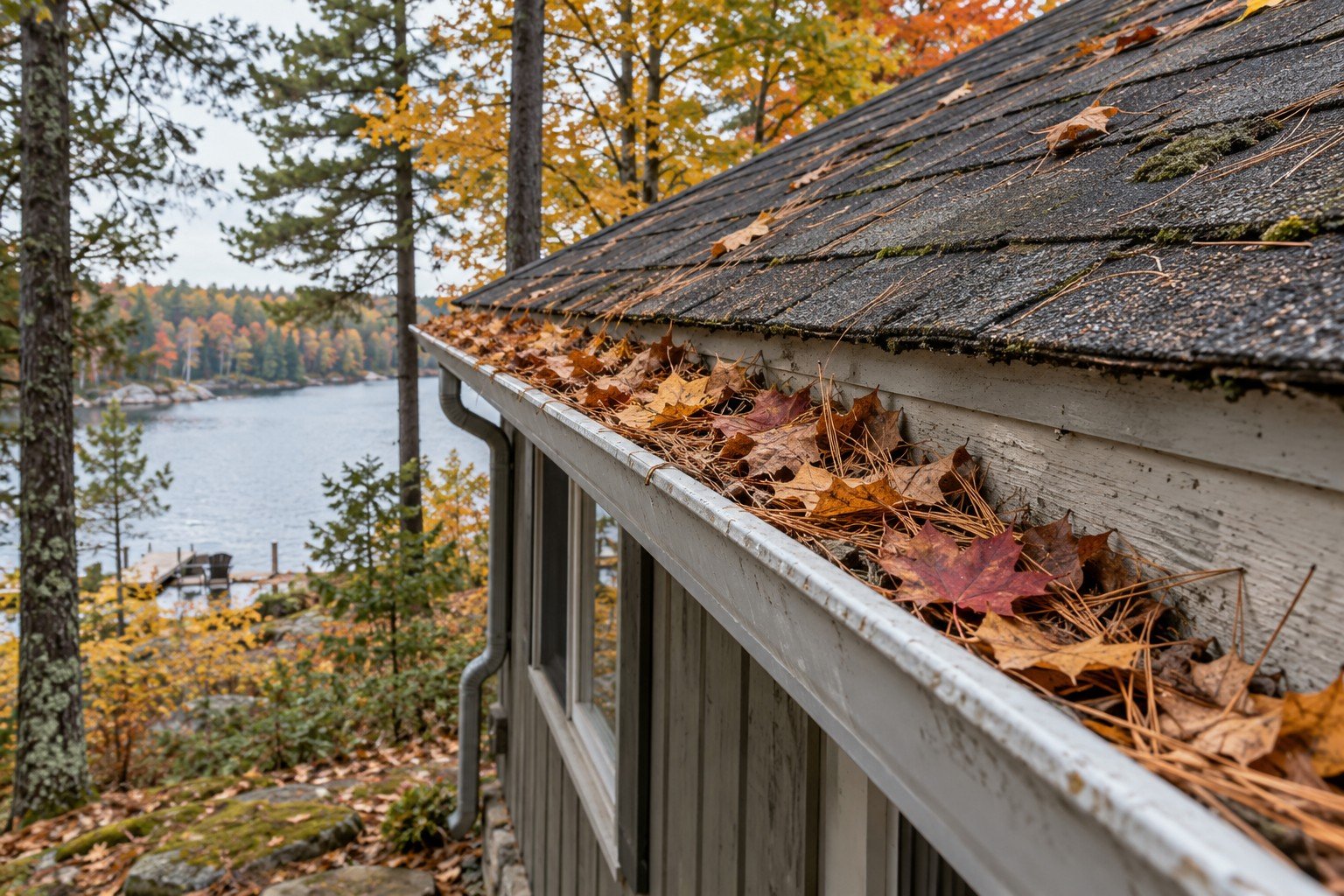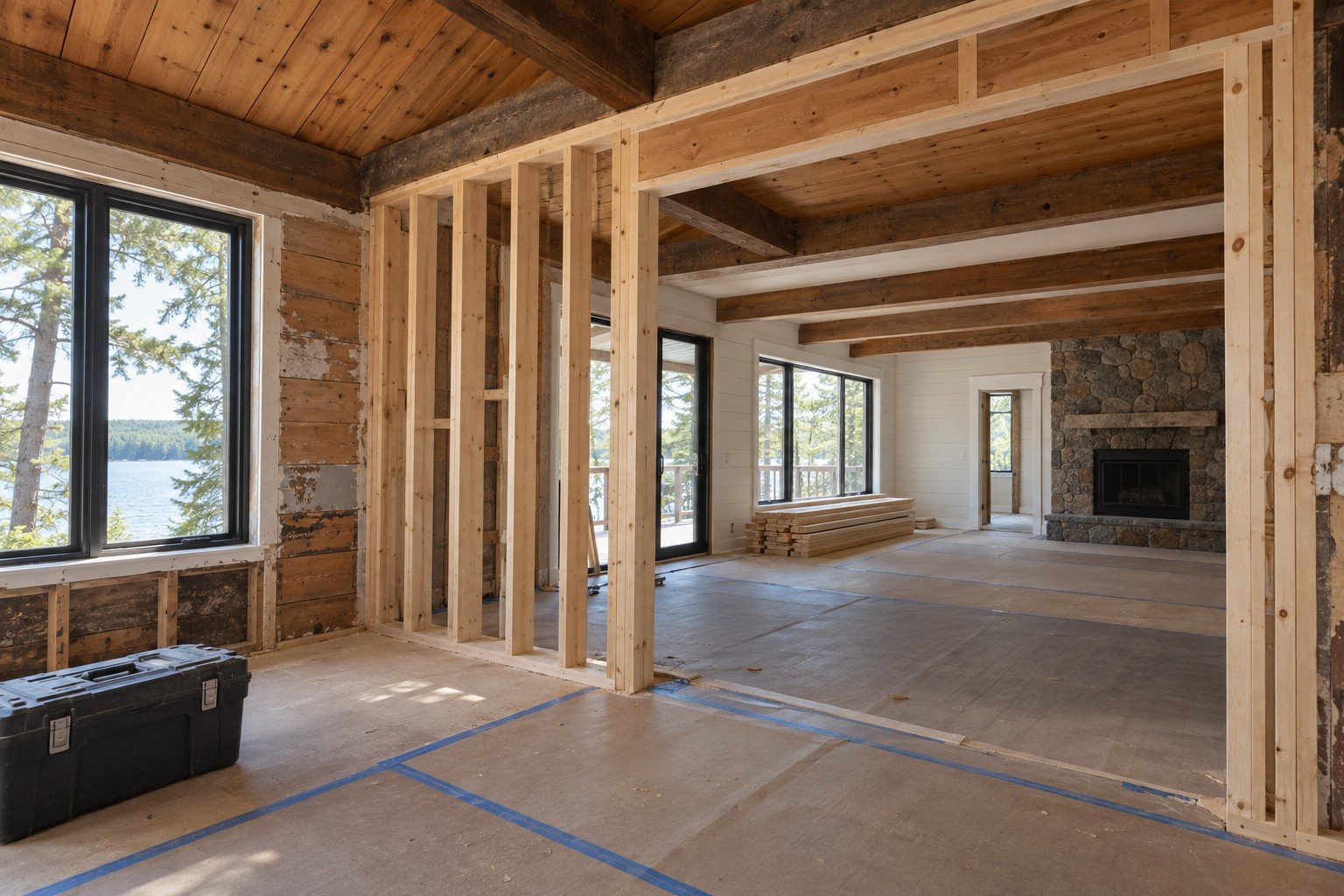
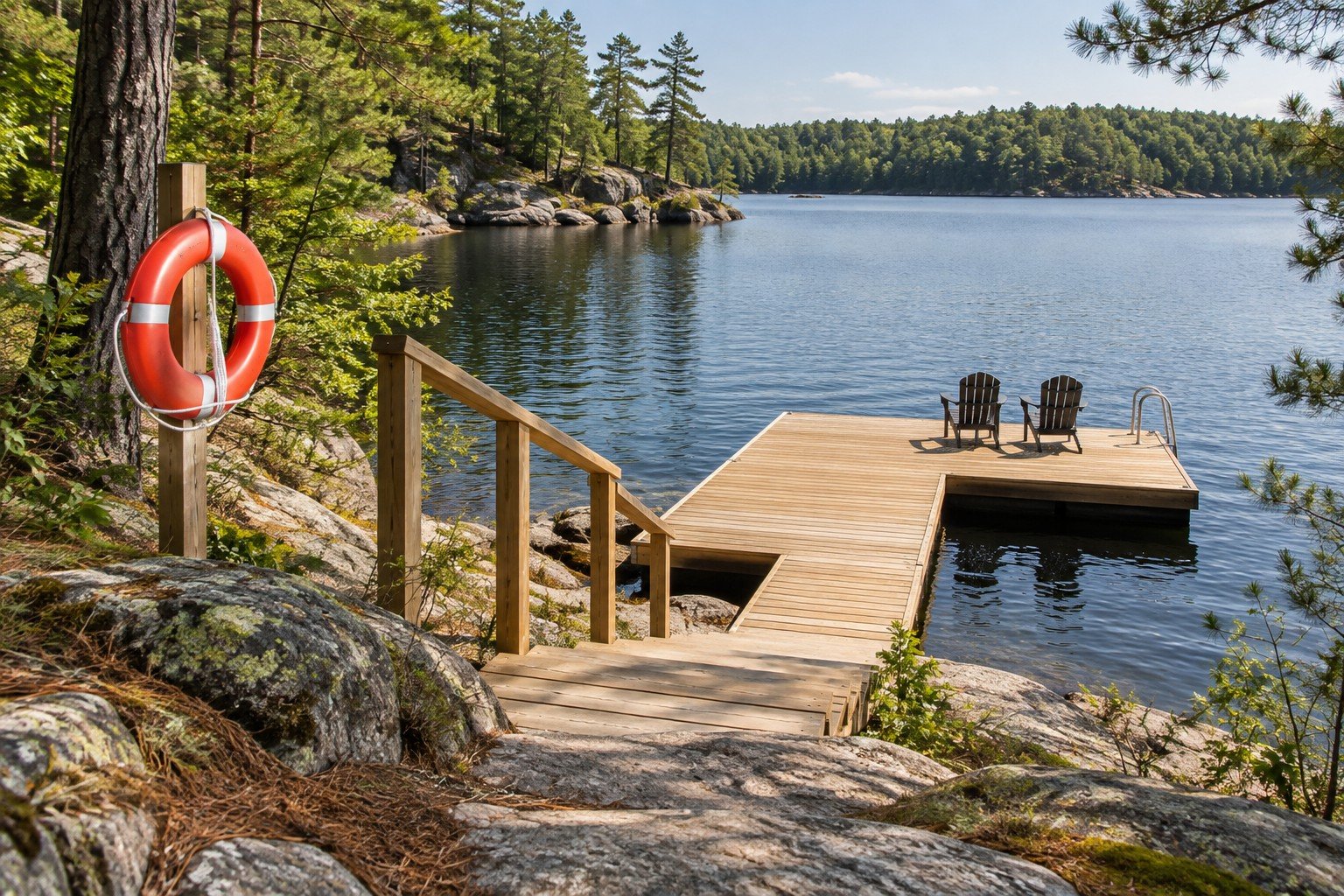
A cottage that feels familiar to you can be unfamiliar to everyone arriving for the weekend. You know the uneven step and the dock board that needs attention. Your guests do not. Before the car doors open, walk the property as though you are seeing it for the first time.
Start at the Door and Finish at the Water
Follow the route people will actually use, from the cottage to the shore. Look for changing levels, loose surfaces, clutter and places where someone carrying a cooler cannot easily see their footing.
Consider the return journey as well. A path that is obvious in daylight may be difficult to follow after dinner. Lighting, handrails and changes of level belong in the design conversation, with their condition and suitability assessed for the site.
Do Not Make Guests Remember the Weak Spot
“Avoid that board” can become part of the cottage routine. It is also a sign that something needs a decision. Restrict access to a visibly damaged or questionable section and arrange an assessment before putting it back into everyday use.
Dock surfaces, stairs, guards and connections should be considered together. A new board alone is not an answer if the underlying support is the problem. Ask a builder to explain what is being repaired, what remains and what condition the repair depends on.
Keep Swimming and Electrical Equipment Apart
The Electrical Safety Authority warns that faulty electrical equipment at docks can energize surrounding water. Do not swim near docks or boats supplied with electricity. Have waterfront electrical installations assessed and serviced by a Licensed Electrical Contractor; improvised extensions and repairs are not a substitute.
Make the electrical arrangement part of the waterfront plan before choosing lights, outlets or powered equipment. This is specialist work that needs to be coordinated with the dock and boathouse design.
A Better Layout Still Needs Good Supervision
A clear path and sound dock cannot replace active supervision. The Lifesaving Society advises staying within arm’s reach of children around water. Decide who is supervising rather than assuming someone else is watching.
When guests arrive, explain the swimming arrangements and which areas are out of use. Make the property’s limits understandable before everyone settles into the afternoon.
Turn Familiar Frustrations Into a Repair Plan
Keep a short list as you walk: the awkward stair, the worn route to shore, the dock section that needs assessment. Group the work by what needs immediate attention and what could be part of a planned improvement.
A building company can help turn those observations into a coordinated scope for repairs and upgrades, involving the right specialists where needed. The aim is to spend less of the weekend explaining what to avoid, and more of it enjoying the place together.
YOUR PROPERTY. YOUR NEXT CHAPTER.
Let’s Talk About Your Plans.
Tell us where you’re building and what you have in mind.
Start a Project